
Blog
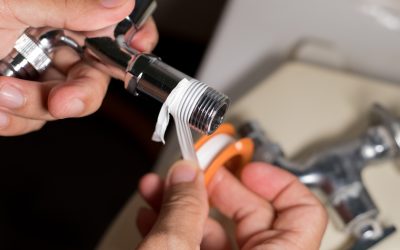
The Problem with Store-Bought Plumbing Tape for Leaks
When a pipe starts leaking, many homeowners instinctively grab a roll of duct tape or general-purpose plumbing tape (like silicone fusion tape) for a quick fix. While these tapes are excellent for temporary control in an emergency, they are never a...

Septic System Security: Why Risers Are So Important
For many older septic systems, the tank access lid is buried several feet beneath the ground, making routine pumping and inspection a major operation involving shovels and time spent searching. This is where a septic riser becomes invaluable. A...
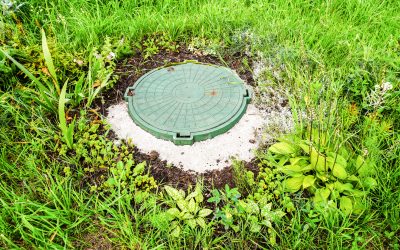
Why You Must Never Build Over Your Septic Tank or Drain Field
A functional septic system is vital, but homeowners often try to maximize yard space by building structures, decks, or additions over their septic components. This is a critical mistake. Both the septic tank (where solids settle) and the drain...
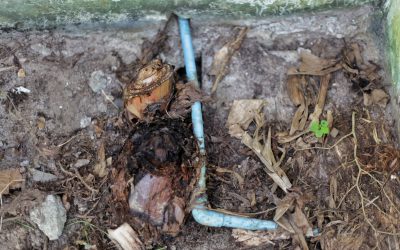
Keeping Intrusive Tree Roots Out of Your Drain Lines
Tree roots are naturally drawn to two things: water and nutrients. Your sewer lines, which carry both, are an irresistible target, especially if they have any existing cracks or loose joints. Once a tiny root enters a compromised pipe, it will...

The Hidden Dangers of Liquid Drain Cleaners
When faced with a slow drain, many people instinctively reach for a bottle of chemical drain cleaner. These liquids often contain strong, caustic chemicals like lye and sulfuric acid, which are designed to dissolve organic matter. While they may...
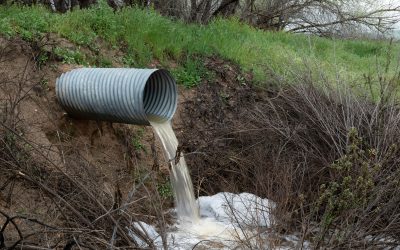
Restaurant Essential: Why Hydro-Jetting Needs to Be Bi-Annual
For restaurants, maintaining clear drainage isn't just about convenience—it's a critical component of health code compliance and daily operations. Commercial kitchens deal with massive volumes of food scraps, grease, oil, and solids, which quickly...

The Critical Importance of Winterization: Preventing Catastrophic Floods
A simple preparation step in the fall can be the difference between a minor inconvenience and a catastrophic plumbing emergency: winterization. When temperatures drop below freezing, water trapped in uninsulated pipes—especially those running...
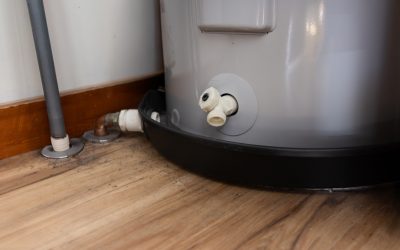
Protect Your Investment: Why You Must Flush Your Water Heater
Your tanked water heater is constantly battling mineral content in your water, leading to sediment buildup. These hard mineral particles, like calcium and lime, sink to the bottom of the tank, creating a layer that reduces efficiency, shortens the...

Tankless vs. Tanked: Which Water Heater Is Right for You?
When it comes to heating your home's water, the choice between a traditional tanked water heater and a modern tankless unit often comes down to efficiency and upfront cost. Tanked heaters are generally less expensive to purchase and install. They...
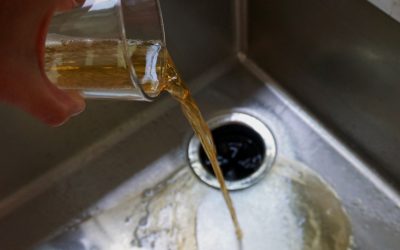
Don’t Put Grease Down the Drain: The Kitchen’s Worst Enemy
The most common and destructive material homeowners mistakenly pour down their kitchen sink is Fats, Oils, and Grease (FOG). While grease may appear to be a liquid when hot, as soon as it cools, it congeals and sticks to the inside walls of your...